Description
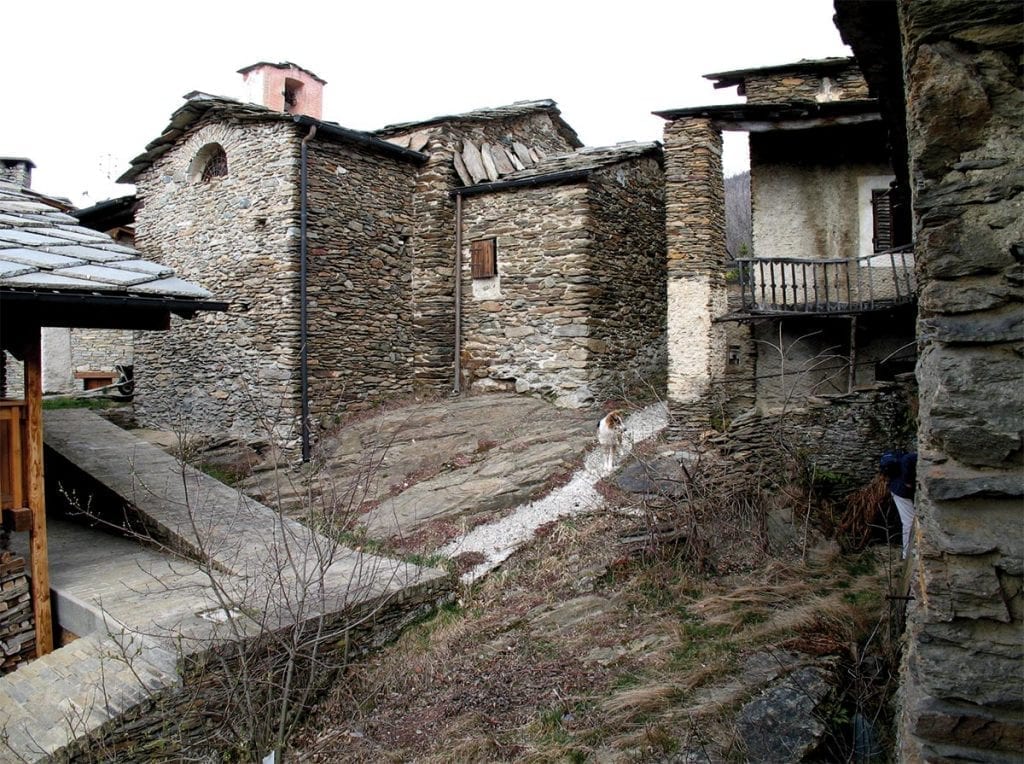
Ostana is a small alpine municipality that has developed a formal Smart Village strategy to address challenges such as depopulation, minimal infrastructure, and economic fragility. The strategy begins with a participatory diagnosis to identify local strengths (cultural heritage, landscape, community accustomed to rural life) and challenges (digital connectivity, mobility, basic services). The plan includes phased actions to improve connectivity, revitalise heritage, promote sustainable tourism, and strengthen local governance through citizen participation. Actions are planned to coordinate nearby communities, foster synergies between municipalities, and establish territorial networks for mutual support. Ostana aims for its approach to be replicable in other similar villages within the Smart Rural framework.
Innovation
Ostana’s innovation lies in its systemic approach: not just digitalisation, but integration of culture, landscape, community, and governance into a roadmap. The strategy combines technological improvements (connectivity, digital services) with institutional strengthening (local participation, networks with neighbouring municipalities). The plan considers adapting solutions for small high-altitude settlements, where infrastructure costs are high, and designing cooperation mechanisms between dispersed localities. Additionally, the strategy incorporates continuous monitoring and evaluation, allowing interventions to be adjusted based on local learning.
Why it is inspiring
Ostana is an example of how a very small municipality with geographic challenges can design an adapted smart development strategy. Its approach does not rely on a single spectacular intervention but on a medium-term plan that combines technology, community, and heritage. Although not all results are publicly documented, its participatory governance model, identification of local resources, and phased planning make it a reference for other villages in mountainous or low-density areas. For VILLAHUB, Ostana is inspiring because it demonstrates how to structure a digital agora within a broader territorial project.
Responsible entity: Municipality of Ostana (province of Cuneo), with support from the Smart Rural 21 initiative
Location: Ostana, Italy